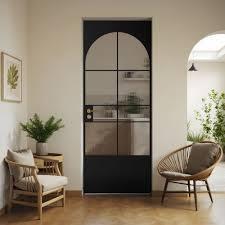
A well-designed living room makes conversation comfortable, movement effortless, and everyday activities easier to enjoy. Successful living room interior design starts with the room's dimensions, natural focal points, and the way the household uses the space. Devon Rose Interiors approaches living room planning by balancing furniture proportions, lighting, textures, and circulation to create an inviting interior that feels connected to the rest of the home.
## Start With the Room's Natural Focal Point
Every living room benefits from a clear visual anchor. This may be a fireplace, a large window, an architectural feature, a striking artwork, or a television. The focal point helps establish furniture placement and gives the room a sense of direction.
A fireplace can serve as the main feature in a traditional or contemporary home. Arrange seating to acknowledge it without blocking access or creating an awkward gap between the furniture and the walls. In a room with expansive windows, position chairs and sofas to make the most of the view while preserving comfortable conversation areas.
Television placement requires additional consideration. Position the screen at a comfortable viewing height and distance, and avoid direct reflections from windows or bright fixtures. In multifunctional living rooms, cabinetry can integrate media equipment with books, artwork, and decorative objects.
A focal point should guide the layout rather than dictate every decision. The furniture must still support the activities that take place in the room.
## Arrange Seating Around Conversation
A living room should encourage interaction rather than leave people sitting too far apart or facing in unrelated directions. Start with the main sofa, then position chairs to create a connected seating arrangement.
In a square room, a sofa and two chairs can form a conversational grouping around a central coffee table. In a long room, two smaller seating areas may work better than one oversized arrangement. For open-plan spaces, a sofa positioned with its back toward the dining area can help define the living zone without constructing a wall.
Consider the distance between seats and the coffee table. People should be able to reach drinks and books comfortably while retaining enough space to move around the furniture. Side tables should also be accessible from the seats they serve.
Avoid pushing every piece against the walls simply to create a large open center. In many rooms, bringing furniture slightly inward creates a more cohesive arrangement. The final spacing should reflect the room's dimensions, doorways, and circulation routes.
## Choose Furniture That Fits the Room
Furniture scale has a direct effect on how a living room feels. A deep sectional can dominate a narrow room, while a small sofa may look disconnected in a large space with high ceilings.
Measure the room before selecting major pieces. Record the dimensions of doorways, staircases, and other access points to confirm that furniture can be delivered and positioned. Consider the depth of sofas, the width of chairs, and the space needed for recliners or extending tables.
For smaller rooms, furniture with visible legs can create a lighter appearance. A compact sofa paired with a movable accent chair may provide more flexibility than a large sectional. In a spacious room, a substantial sofa, generously sized rug, and complementary chairs can establish visual balance.
Choose upholstery according to the household's needs. Durable woven fabrics may suit busy family spaces, while textured upholstery adds depth to more formal interiors. The most appropriate selection depends on cleaning requirements, pets, children, and how frequently the room is used.
## Get the Rug Size Right
A rug helps connect the seating arrangement and defines the living area. A rug that is too small can make the furniture appear scattered, even when the individual pieces are attractive.
Whenever the layout permits, position the rug so the front legs of the sofa and chairs rest on it. This creates a visual link between the seating pieces. In a larger room, placing all major furniture legs on the rug can produce a more unified arrangement.
Choose the rug's dimensions after deciding on the furniture layout. Leave enough visible flooring around the grouping to establish a clear boundary without making the rug look isolated.
Texture and pattern also influence the room's character. A textured neutral rug can support a layered coastal interior, while a patterned rug can introduce color and movement into a restrained palette.
## Layer Lighting for Different Activities
Living rooms often serve several purposes, from reading and conversation to watching television and entertaining guests. A combination of lighting types allows the room to adapt to these activities.
- **Ambient lighting:** Ceiling fixtures or recessed lights provide general illumination.
- **Task lighting:** Floor lamps and reading lamps support focused activities.
- **Accent lighting:** Picture lights and carefully positioned fixtures highlight artwork or architectural details.
Avoid relying entirely on overhead lighting. A room with table lamps and floor lamps often feels more comfortable in the evening because light is distributed across different heights.
Consider glare on television screens, the placement of outlets, and the relationship between lamps and seating. Dimmers and separate switching arrangements make it easier to adjust the atmosphere without changing the furniture layout.
## Balance Windows, Curtains, and Privacy
Window treatments influence the room's proportions and control daylight. Full-length curtains can emphasize ceiling height, while Roman shades provide a tailored appearance and work well where wall space is limited.
In Long Island homes, window treatments may need to accommodate bright coastal daylight and views of gardens or the surrounding landscape. Light-filtering fabrics soften incoming light, while lined treatments provide greater control over brightness and privacy.
Hang curtains high enough to complement the architecture, provided the window and ceiling details allow it. Select fabric colors and textures that relate to the rug, upholstery, and wall finishes without matching every element exactly.
Keep furniture from blocking windows unnecessarily. Low-profile seating can preserve views while allowing daylight to reach deeper into the room.
## Three Practical Living Room Layouts
### Narrow living room
Place the main sofa along the longest suitable wall, with one or two compact chairs opposite or angled toward it. Use a narrow coffee table or pair of smaller tables to preserve the central route. A wall-mounted television or slim media cabinet may free additional floor space.
### Open-plan living room
Position the sofa to define the living area, with its back toward the dining zone when appropriate. Anchor the seating with a rug and coordinate the lighting with the surrounding spaces. Keep the main walking route clear between entrances, kitchen, and dining area.
### Large living room
Create two related zones when one seating arrangement cannot comfortably fill the space. A main conversation area can face the fireplace, while a secondary pair of chairs near a window can support reading. Repeat selected colors and materials to connect both groupings.
## Make the Room Feel Connected to the Home
A cohesive living room uses repeated finishes and textures without becoming visually uniform. Wood tones, metal accents, fabrics, and artwork can relate to elements in the dining room, hallway, or adjoining kitchen.
For coastal-inspired Long Island interiors, natural textures and restrained colors can create a relaxed atmosphere. The same approach can suit traditional and contemporary homes when the materials are selected to complement the architecture.
## Create a Living Room That Feels Natural to Use
A successful living room is not simply a collection of attractive furnishings. It is a carefully arranged space where people can move comfortably, talk easily, enjoy natural light, and take part in everyday activities.
Devon Rose Interiors can help Long Island homeowners coordinate furniture layouts, lighting, materials, and decorative details into a unified design. Begin with the room's focal point and circulation needs, then build a seating arrangement that supports the way you live.
Visit Website: https://www.devonroseinteriors.com/living-room